Source Leather Watch Strap for Smart Watch, Mechanical Watch, and iWatch
Compare 30 leather watch strap options featuring digital and analog displays, quick-release spring bars, and tang buckles. Buyers can review specifications like 18mm to 22mm widths and colors including black, brown, and green for various watch brands.
Key considerations
Products List


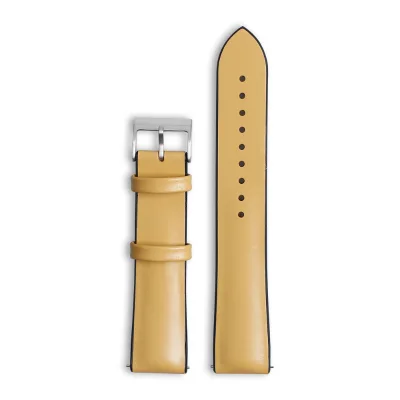
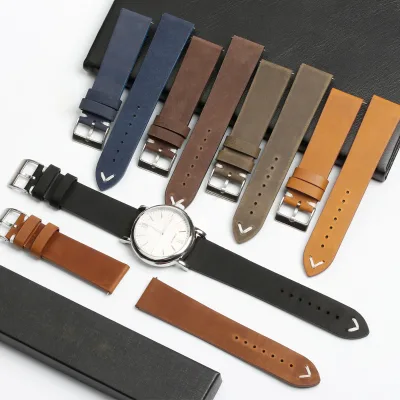
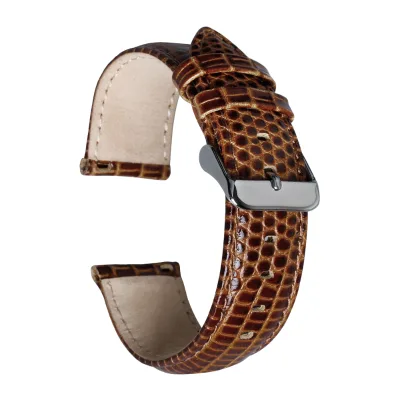


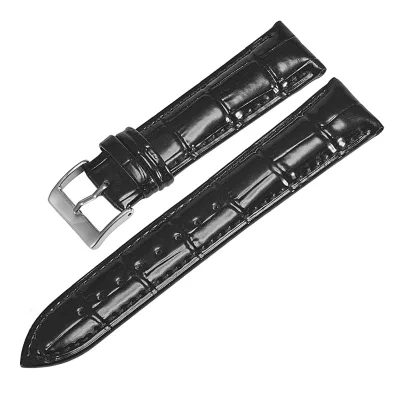


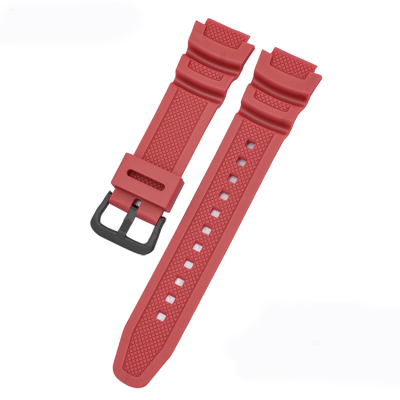

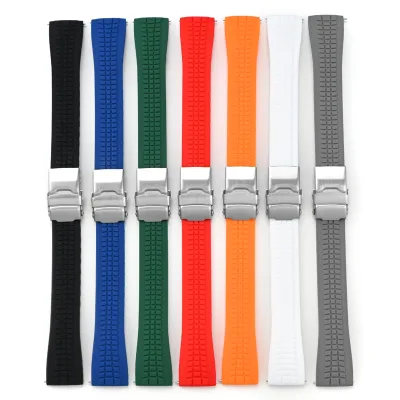

Comprehensive Sourcing Guide
Strategic Sourcing Guide for Leather Watch Straps
Understanding Product Specifications and Material Variations
When sourcing leather watch straps, the primary objective is to align the physical attributes of the product with the specific requirements of the target timepiece. The market offers a diverse range of specifications, particularly regarding width and connection mechanisms. Based on observed industry data, strap widths typically range from 18mm to 22mm, with specific models available in 20mm and 22mm configurations. Buyers must verify the exact width required for their inventory, as a mismatch between the strap width and the watch lug width will render the product unusable.
The connection method is another critical technical specification. The majority of modern leather straps utilize a Quick-Release Spring Bar system, which allows for tool-free installation and removal. This feature is highly valued by end-users for its convenience. However, alternative connection methods exist, and procurement teams should confirm the specific mechanism—whether it is a standard spring bar or a proprietary quick-release system—before placing bulk orders. The clasp type also varies; while the Tang Buckle is a prevalent standard, some listings indicate "Pin buckle" or "Other" clasp types. It is essential to specify the desired clasp style, as this affects both the aesthetic appeal and the functional security of the strap on the wrist.
Dimensions beyond width are equally important for fit and comfort. Standard band lengths often measure around 75mm by 125mm for the individual strap segments, with total band lengths reaching approximately 280mm. These dimensions accommodate a wide range of wrist sizes, but buyers should request detailed length specifications for the specific model number they intend to purchase. Additionally, the package size for individual units is typically compact, such as 21cm by 7cm or 15cm by 4cm, which influences shipping costs and storage requirements. The single gross weight is often minimal, recorded around 0.020 kg, indicating that leather straps are lightweight and do not significantly add to the overall weight of the watch.
Material Composition and Aesthetic Attributes
The core material for this category is leather, which dictates the tactile experience and visual character of the product. Buyers should evaluate the finish and texture, as these define the style of the strap. Common styles include "Antique," which offers a vintage, weathered look, and "Fashion" designs that cater to contemporary trends. The material is often treated to ensure durability, with features such as being breathable, waterproof, and comfortable. These attributes are crucial for user satisfaction, particularly for straps intended for daily wear or sports applications.
Color selection is a significant factor in the sourcing process. Standard inventory often includes Black, Brown, and Green. However, the availability of "Made-to-Order" options allows for greater customization, enabling buyers to match specific brand colors or seasonal trends. The display method of the watch the strap is intended for also influences the choice; while digital watches are common, leather straps are frequently paired with analog displays, including mechanical and smart watches. Compatibility extends to various brands, with straps designed to fit Samsung, Huawei, Xiaomi, Casio, and generic mechanical watches.
The visual presentation of the product is also influenced by the packaging. Straps are typically supplied in OPP bags for individual protection, with bulk orders packed in cartons. This packaging method ensures that the leather remains free from dust and scratches during transit. For luxury or high-end fashion segments, the packaging may be more robust, reflecting the premium nature of the product. Buyers should verify the packaging method to ensure it meets their retail presentation standards and protects the product integrity.
Cost Drivers and Pricing Structures
The pricing of leather watch straps is influenced by several variables, including material quality, customization level, and order volume. The observed price range in the market spans from $0 to $399, reflecting a wide spectrum of product tiers. Entry-level straps may be priced at the lower end of this spectrum, while high-end, custom-made, or luxury variants command higher prices. It is important to note that the sample price for a unit can be around $5, which serves as a baseline for evaluating the cost of a single item before committing to a larger order.
Order volume plays a pivotal role in determining the final unit cost. The Minimum Order Quantity (MOQ) varies significantly across suppliers, ranging from as low as 1 unit to as high as 3000 units. A lower MOQ allows for smaller, more flexible orders, which is beneficial for startups or those testing new designs. Conversely, higher MOQs often correlate with lower per-unit costs due to economies of scale. Buyers must balance their budget constraints with their inventory needs to determine the optimal order quantity.
Customization is a major cost driver. While standard colors and sizes are generally more affordable, "Made-to-Order" options involving specific colors, branding, or unique dimensions will incur additional costs. The production time for customized orders is also longer, typically around 35 days, compared to standard lead times. Buyers should factor in these additional costs and timeframes when planning their supply chain. Additionally, the "Professional" and "Durable" features mentioned in product attributes suggest that higher-quality materials and construction methods may increase the price, justifying the investment for long-term value.
Compliance, Certification, and Quality Verification
In the B2B procurement of leather goods, verifying compliance and quality standards is essential to mitigate risk. While specific certification names are not universally mandated for all leather straps, buyers should inquire about the standards applied to the leather sourcing and manufacturing process. The product origin is often listed as China, with specific regions like Guangdong and Guangzhou being common production hubs. Understanding the geographical origin can provide insights into the manufacturing capabilities and regulatory environment of the supplier.
Quality verification should focus on the physical attributes of the strap. Buyers must inspect the leather for consistency in grain, color, and texture. The "Breathable" and "Waterproof" features should be validated through physical testing or supplier-provided test reports. Although specific test results are not provided in the general data, the presence of these claims indicates that the manufacturer intends to meet certain performance criteria. Buyers should request evidence of these claims, such as water resistance test data or breathability metrics, to ensure the product meets their quality expectations.
Packaging standards are also part of the compliance check. The standard packaging method involves a single piece in a poly bag, with bulk cartons for shipping. Buyers should verify that the packaging meets their internal standards for labeling, barcoding, and protection. The "1pcs" standard mentioned in some contexts refers to the unit count per package, which is a critical detail for inventory management. Additionally, the "Single package size" of 15x4x1 cm or 21cm*7cm must be confirmed to calculate accurate shipping costs and storage requirements.
Supplier Evaluation and Production Capabilities
Evaluating a supplier for leather watch straps requires a comprehensive assessment of their production capabilities and reliability. The production time is a key metric, with standard lead times reported as approximately 35 days. This duration should be factored into the buyer's supply chain planning to avoid stockouts. The sample time, typically around 7 to 15 days, is another critical factor. Buyers should utilize this period to assess the quality of the sample before proceeding with a bulk order.
Supplier location is another consideration. Many suppliers are based in Guangdong or Guangzhou, China, regions known for their manufacturing expertise in leather goods. The proximity to raw material sources and logistics hubs can influence the efficiency of the supply chain. Buyers should verify the specific location of the supplier to understand potential logistical challenges or advantages. The "prod_origin" and "place_of_origin" fields provide this information, allowing buyers to assess the supplier's geographic footprint.
The ability to handle customization is a differentiator among suppliers. The availability of "Made-to-Order" options suggests that the supplier has the flexibility to accommodate specific client needs. Buyers should evaluate the supplier's capacity to handle custom orders, including their ability to manage different colors, sizes, and branding requirements. The "CONKLY" brand and various model numbers like "JX-SL-30" or "WB1001" indicate that suppliers may have their own product lines or private label capabilities. Buyers should determine if they are purchasing a generic product or a branded item, as this affects the marketing strategy and brand positioning.
Typical Applications and Market Segmentation
Leather watch straps serve a wide array of applications, catering to different market segments. The primary use case is for general watches, including mechanical, smart, and sport watches. The compatibility with brands like Samsung, Huawei, and Casio highlights the versatility of these straps across different watch types. The "Fashion" and "Luxury" attributes indicate that these straps are suitable for both casual and formal wear, making them a versatile addition to any watch collection.
The "Antique" style appeals to consumers looking for a vintage aesthetic, while the "Durable" and "Professional" features cater to those who require a strap that can withstand daily wear and tear. The "Breathable" and "Comfortable" attributes are particularly important for sport watches, where user comfort during physical activity is a priority. The "Waterproof" feature adds an extra layer of utility, making the strap suitable for various weather conditions.
The market segmentation for leather watch straps is diverse, ranging from mass-market fashion accessories to high-end luxury items. The "Selling Units" being listed as "Single item" suggests that these products are often sold individually, allowing for flexibility in retail pricing strategies. The "Type" of strap, whether "Watch Strap" or "Band," indicates its function as an accessory rather than a standalone product. Buyers should align their sourcing strategy with the specific market segment they intend to serve, ensuring that the product attributes match the expectations of their target customers.
Long-Term Procurement Considerations
Sourcing leather watch straps is not merely a transactional activity but a strategic decision that impacts long-term business success. Buyers should consider the scalability of the supplier's production capabilities. As demand grows, the supplier must be able to increase output without compromising quality. The "MOQ" range of 1 to 3000 units suggests that suppliers can accommodate both small and large orders, but buyers should confirm the upper limits of production capacity to ensure supply continuity.
Sustainability and ethical sourcing are increasingly important considerations in the leather industry. Buyers should inquire about the sourcing of raw materials and the environmental impact of the manufacturing process. While specific certifications are not listed, the "Professional" and "Durable" claims imply a commitment to quality that may extend to ethical practices. Buyers should request information on the supplier's sustainability policies to ensure alignment with their corporate social responsibility goals.
Finally, the relationship with the supplier should be built on trust and clear communication. The "Sample Price" and "Production Time" are key indicators of the supplier's transparency and reliability. Buyers should maintain open lines of communication to address any issues that may arise during the production process. The ability to customize and the range of available colors and sizes provide opportunities for innovation and differentiation in the market. By carefully evaluating these factors, buyers can establish a robust supply chain that supports their long-term growth and success in the leather watch strap market.
FAQs
What customization options are available for leather watch straps?
Customization is available for these leather watch straps, allowing buyers to request made-to-order colors like black, brown, or green. This flexibility supports specific brand needs, though it may extend production time to about 35 days compared to standard inventory.
Which connection methods are used for these leather watch bands?
The majority of these straps utilize a Quick-Release Spring Bar system for tool-free installation. Some listings also indicate Tang Buckle or Pin buckle clasp types, so buyers must verify the specific mechanism required for their watch model before ordering.
Can I find leather watch straps compatible with smart watches?
Yes, these leather straps are explicitly compatible with smart watches, iWatches, and sport watches from brands like Samsung and Huawei. They also fit mechanical watches and Casio models, making them versatile accessories for various timepiece types.
What are the standard dimensions for these leather watch straps?
Standard band widths range from 18mm to 22mm, with specific models available in 20mm or 22mm configurations. Band lengths typically measure around 280mm total, with individual segments sized at 75mm by 125mm to accommodate a wide range of wrist sizes.
How long does it take to produce a custom leather watch strap order?
Production time for custom orders is approximately 35 days, while sample time takes about 7 to 15 days. Buyers should plan their inventory accordingly, as the extended lead time reflects the customization and quality verification processes involved in manufacturing.
What is the minimum order quantity for these leather watch straps?
The minimum order quantity varies significantly, ranging from 1 unit to 3000 units depending on the supplier. Some listings specify an MOQ of 100 pieces, so buyers must confirm the specific threshold to ensure it aligns with their budget and inventory needs.
Where are these leather watch straps manufactured?
These products originate from China, with specific production hubs located in Guangdong and Guangzhou. Buyers should verify the exact place of origin as it may influence logistics, manufacturing capabilities, and the regulatory environment surrounding the leather goods.